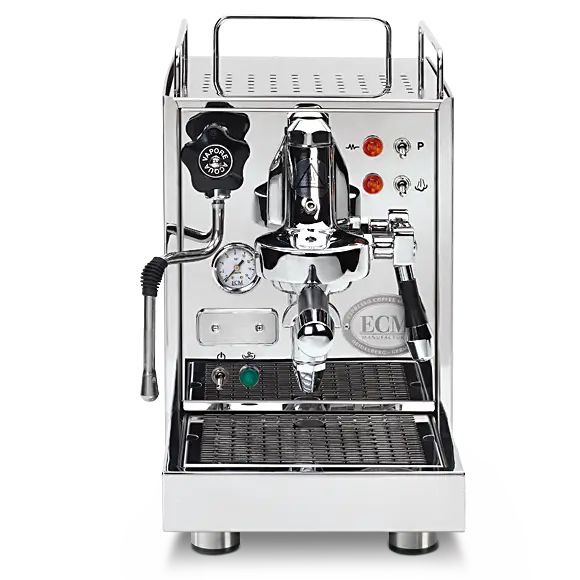
A 10-amp coffee machine is one that runs on a standard household power point, so you can plug it in at home or in an office without an electrician or a special high-amp circuit. In New Zealand, standard wall sockets are 10 amp, which is why 10-amp machines are the plug-and-play choice for most homes and small offices. Many higher-output commercial machines need a 15-amp or hard-wired supply, so checking the amperage before you buy saves a costly surprise. This guide explains what 10 amp means, why it matters, and the real plug-and-play machines Di Pacci stocks in New Zealand.
By Mik Di Pacci, Founder and CEO, Di Pacci Coffee Company. Technical guidance is general; machine prices and details are drawn from live product listings and no personal lab testing is claimed.
Quick Summary
What 10 amp means: The machine draws no more than 10 amps, so it runs on a standard NZ wall socket with no special wiring.
Why it matters: Plug-and-play convenience at home or in an office, with no electrician or dedicated circuit needed.
Watch out for: Many commercial machines need 15 amp or hard wiring. Always check amperage before buying.
Best for: Homes, offices and small setups that want a quality espresso machine on an ordinary power point.
NZ options: From the Rancilio Silvia and ECM Classika PID to the Lelit Mara X and Expobar Office Barista Minore.
10 AStandard NZ Socket
Plug-and-PlayNo Electrician
230 VNZ Mains
Home + OfficeBest Suited
In this guide
What is a 10-amp machine?
Why amperage matters in NZ
10 amp vs 15 amp
How to check before buying
Who 10 amp suits
Pros and cons
10-amp machines at Di Pacci NZ
What you need alongside
FAQs
What Is a 10-Amp Coffee Machine?
A 10-amp coffee machine is one whose electrical draw stays within 10 amps, the rating of a standard New Zealand power point. That means you can plug it straight into an ordinary wall socket and start making coffee, with no special circuit and no electrician. This is what people mean by a plug-and-play machine.
Most home espresso machines are designed to run on 10 amps for exactly this reason. The limit shapes how much heating power the machine can use at once, which is why very high-output or multi-group commercial machines often need more than a standard socket can provide.
Why Amperage Matters in NZ
Amperage matters because a machine that draws more than 10 amps cannot safely run on a standard socket. Standard NZ wall sockets and their circuits are rated to 10 amps, so a 15-amp machine needs a dedicated 15-amp outlet or hard wiring installed by an electrician, which adds cost and limits where you can put the machine.
Choosing a 10-amp machine avoids that. It plugs into the same socket as your kettle or toaster (ideally on its own socket rather than sharing a power board), which makes it the practical choice for homes and offices. The trade-off is that a single 10-amp machine has a ceiling on simultaneous heating power compared with a high-amp commercial unit.
10 Amp vs 15 Amp
The table summarises the practical difference between the two.
Feature
10 amp
15 amp or hard-wired
Power point
Standard NZ socket
Dedicated 15 amp outlet or hard wiring
Setup
Plug and play, no electrician
Electrician usually required
Best for
Home, office, small setups
Busy cafes, high output, multi-group
Placement
Anywhere with a normal socket
Only where the right supply exists
Typical machines
Home and prosumer single group
Many commercial and multi-group machines
Neither is better in the abstract. A 10-amp machine is the right tool for home and office; a 15-amp or hard-wired machine is for high-volume commercial use where a standard socket is not enough.
How to Check Before Buying
Before you buy, confirm the machine's electrical requirements so it matches your space. A few simple checks:
Check the amperage: Look for a 10 amp rating if you want plug-and-play at a standard socket. If a machine is 15 amp, plan for a dedicated outlet.
Use its own socket: Run an espresso machine on its own wall socket, not a power board shared with other high-draw appliances like a kettle or toaster.
Confirm voltage: NZ mains are 230 to 240 V. Machines sold here are specified for that supply.
Ask if unsure: If a listing does not state amperage, confirm with the retailer before ordering, especially for commercial-style machines.
Who 10-Amp Machines Suit
A 10-amp machine suits anyone who wants a quality espresso machine that just plugs in:
Home baristas who want café-style espresso at a normal wall socket.
Offices and small workplaces without a special power supply.
Renters and anyone who does not want electrical work done.
Buyers who want flexibility to place the machine anywhere with a standard socket.
Pros and Cons
Pros
Plugs into a standard NZ socket, no electrician.
Flexible placement at home or in an office.
Lower setup cost than a hard-wired machine.
Wide choice of quality home and prosumer models.
Cons
Ceiling on simultaneous heating power versus high-amp units.
Not built for continuous high-volume commercial output.
Still best run on its own socket, not a shared board.
10-Amp Machines at Di Pacci NZ
Di Pacci stocks a wide range of 10-amp, plug-and-play machines in New Zealand, from single boiler to prosumer heat exchanger and dual boiler. Prices are indicative; check each product page for current pricing and to confirm the electrical rating.
A 10-amp coffee machine draws no more than 10 amps, so it runs on a standard New Zealand wall socket with no special wiring. It is the plug-and-play choice for homes and offices.
Do I need an electrician for a 10-amp machine?
No. A 10-amp machine plugs into an ordinary power point, so no electrician or dedicated circuit is needed. A 15-amp machine, by contrast, usually needs a dedicated outlet or hard wiring installed.
What is the difference between 10 amp and 15 amp machines?
A 10-amp machine runs on a standard socket and suits home and office use. A 15-amp or hard-wired machine needs a special supply and is aimed at busy commercial or multi-group use with higher output.
Can I run a coffee machine on a power board?
It is best to run an espresso machine on its own wall socket rather than a power board shared with other high-draw appliances like a kettle or toaster, to avoid overloading the circuit.
What voltage do NZ coffee machines use?
New Zealand mains supply is 230 to 240 V. Machines sold for the NZ market are specified for that supply, so check the listing if you are importing a machine from elsewhere.
Are 10-amp machines good enough for real espresso?
Yes. Many quality single boiler, heat exchanger and dual boiler home and prosumer machines run on 10 amps and make café-style espresso. The amp rating affects power supply, not whether the machine can pull a good shot.
Can a 10-amp machine be used in an office?
Yes. A 10-amp machine plugs into a standard office socket, which is why models like the Expobar Office Barista Minore are aimed at office and light-commercial use.
How do I know if a machine is 10 amp?
Check the product listing or specifications for the amperage or power rating. If it is not stated, ask the retailer before buying, particularly for commercial-style machines that may need 15 amps.
Do 10-amp machines come with a grinder?
Usually not. Most espresso machines are sold without a grinder, so budget for a separate espresso grinder. A good grinder matters as much as the machine for shot quality.
Which 10-amp machine should a beginner buy?
The Rancilio Silvia V6 is a popular plug-and-play starting point for learning espresso. For PID convenience, the ECM Classika PID or Lelit Mara X are strong 10-amp options.
Prices and specifications may change, and electrical ratings should always be confirmed on the live product page or with Di Pacci before purchasing. Always confirm current price, availability and the machine's amperage before buying. Technical guidance is general and no independent laboratory testing is claimed.
Choosing a selection results in a full page refresh.