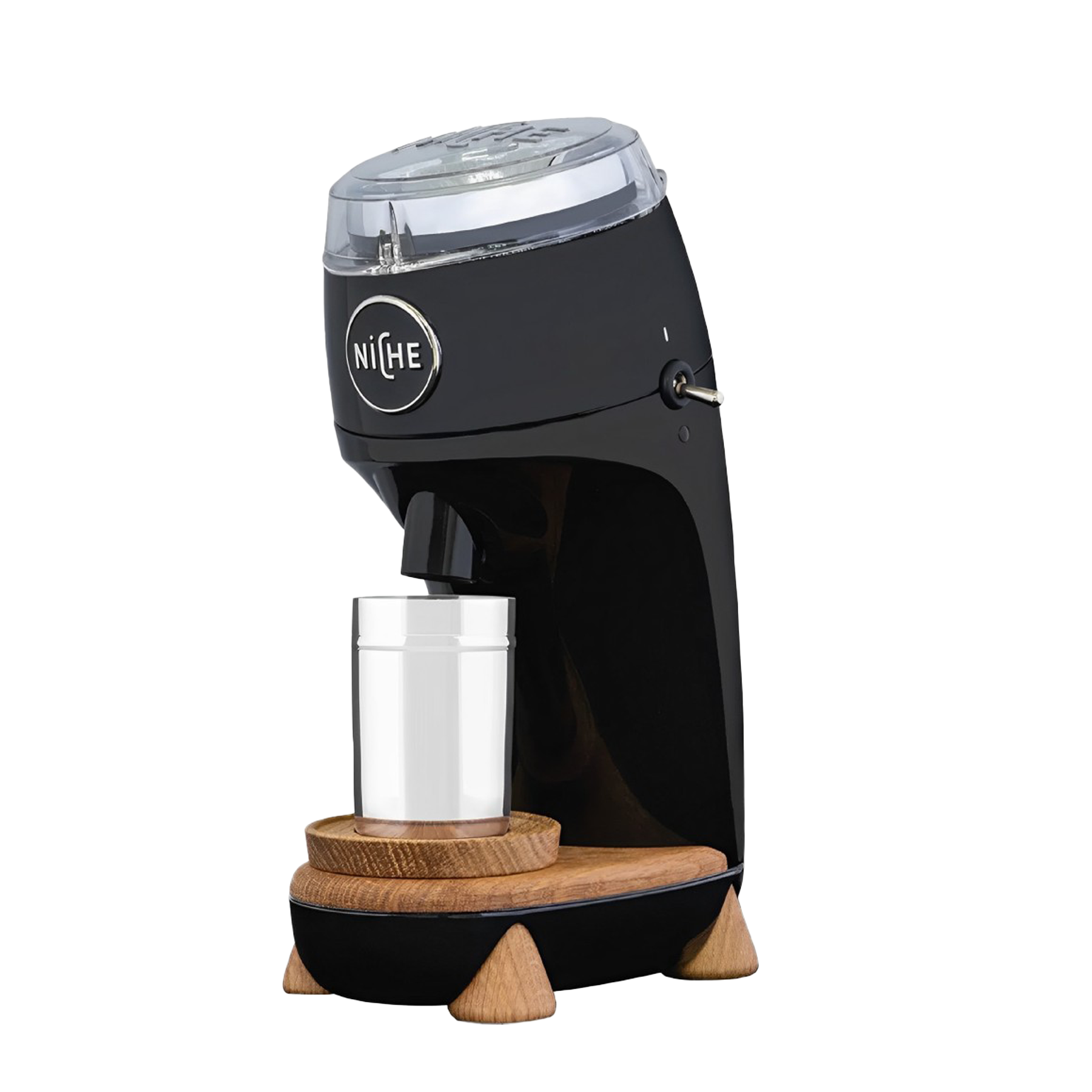
Single dose and hopper are the two ways a home coffee grinder holds and feeds beans. A single dose grinder grinds one shot's worth of beans at a time, weighed in fresh, with very low retention. A hopper grinder stores a larger quantity of beans on top and feeds them in as you grind. In short: single dose is best for freshness and switching between beans, while a hopper is best for convenience and grinding the same bean at higher volume. This guide explains the difference and helps you choose the right one for your home setup, with real examples from the Di Pacci NZ range.
By Mik Di Pacci, Founder and CEO, Di Pacci Coffee Company. Specifications are drawn from live product listings; analysis is our own and no personal lab testing is claimed.
Quick Verdict
Single dose: Grind one shot at a time, weighed in fresh, with near-zero retention. Best for freshness, dosing by weight, and switching between beans.
Hopper: Store beans on top and grind on demand. Best for convenience, speed and grinding the same bean at higher volume.
Bottom line: Choose single dose if you value freshness and variety; choose a hopper if you want fast, hands-off grinding of one house bean.
Both: Use the same burr technology and need dialling in; the difference is how beans are fed, not grind quality itself.
1 shotSingle Dose
BulkHopper Feed
Freshvs Convenient
SameBurr Tech
In this guide
What is a single dose grinder?
What is a hopper grinder?
Head-to-head comparison
Freshness and retention
Convenience and volume
Which suits your home?
Pros and cons
NZ examples
FAQs
What Is a Single Dose Grinder?
A single dose grinder grinds one shot's worth of beans at a time. You weigh in the beans for a single dose, grind them, and the grinder is designed to release almost all of them, leaving very little behind. The whole point is low retention and freshness: beans are not stored inside the machine, so what you weigh in is what you brew.
Single dosing suits home baristas who value fresh coffee, dose by weight for accuracy, or use several different beans. It is the natural match for the way many enthusiasts now buy and rotate small bags of specialty beans.
What Is a Hopper Grinder?
A hopper grinder stores a larger quantity of beans in a container on top and feeds them into the burrs as you grind. You fill the hopper and grind on demand, which is fast and convenient for the same bean used repeatedly. Traditional cafe grinders use hoppers for exactly this reason.
Hopper grinders suit households that go through one house bean at higher volume and want the least fuss per shot. The trade-offs are that beans sit exposed to air in the hopper and there is usually more retention than a single dose design.
Head-to-Head Comparison
The table compares the two feeding styles in general terms. Grind quality itself depends on the burrs and the specific grinder, not on whether it is single dose or hopper.
Freshness is the main reason people choose single dosing. Because you weigh in only what you need and beans are not stored inside the grinder, each shot is ground from fresh beans and dosed accurately by weight. Low retention means almost nothing is left inside between doses, so there is no stale carry-over and your dose in equals your dose out.
A hopper grinder keeps beans in the hopper between uses, exposed to air and light, which can dull freshness over days. There is also usually more coffee retained in the grind path. For a household using the same bean quickly, this matters less; for someone rotating specialty beans, single dosing wins on freshness.
Convenience and Volume
Convenience is where hopper grinders shine. Fill the hopper once and you can grind shot after shot on demand without weighing beans each time, which is faster for back-to-back drinks and for households that make a lot of coffee from one bean. Single dosing adds a weigh-and-load step to every shot, which is part of the ritual for some but slower for others.
If you make several coffees quickly each morning from the same bean, a hopper is the more practical choice. If you make one or two carefully dialled shots and enjoy the process, single dosing fits well.
Which Suits Your Home?
Choose single dose if: you value maximum freshness, dose by weight, rotate between different beans, or want near-zero retention.
Choose a hopper if: you use one house bean, make several coffees quickly, and want the least fuss per shot.
Either way: the burrs and build determine grind quality, so pair your choice with a good espresso machine and fresh coffee beans. For burr background, see the grinder guide.
Pros and Cons
Single Dose
Highest freshness, no beans stored.
Very low, often near-zero retention.
Easy to switch between beans.
Accurate dosing by weight.
Often compact on the bench.
Hopper
Fast, grind on demand.
Convenient for one house bean.
Better for higher volume.
Beans sit exposed in the hopper.
Generally more retention.
NZ Examples
Di Pacci stocks both styles in New Zealand. Prices are indicative; check each product page for current pricing.
Single dose grinders
Turin DF54 V5, 54 mm flat burrs, under 0.1 g retention, an affordable entry at $492.70 NZD.
Turin DF64 Gen 2, 64 mm flat burrs with a low-retention piston, $1,315.99 NZD.
Niche Zero, 63 mm conical, dose consistency under +/- 0.2 g, $1,982.99 NZD.
What is the difference between single dose and hopper grinders?
A single dose grinder grinds one shot's worth of beans weighed in at a time, with very low retention. A hopper grinder stores beans in a container on top and feeds them as you grind. Single dose favours freshness and variety; hopper favours convenience and volume.
Which is better for home use?
It depends on how you brew. Single dose is better if you value freshness, dose by weight, or rotate beans. A hopper is better if you use one house bean and make several coffees quickly with minimal fuss.
Is single dosing worth it?
For many home baristas, yes. It keeps beans fresh, lets you switch between beans easily, and doses accurately by weight with near-zero retention. If you only ever use one bean at volume, a hopper may suit you better.
Do single dose grinders make better coffee than hopper grinders?
Not inherently. Grind quality comes from the burrs and build, not the feeding style. The difference is freshness and workflow: single dose keeps beans fresher and dosing precise, while a hopper is faster per shot.
Can you single dose a hopper grinder?
You can add small amounts to a hopper grinder, but most are not designed for it and will retain more coffee than a true single dose grinder. If single dosing matters, choose a grinder built for it.
What does low retention mean?
Low retention means almost no ground coffee stays inside the grinder between doses, so what you weigh in comes out. It is a key feature of single dose grinders and improves dose accuracy and freshness.
Are hopper grinders faster?
Yes. With beans already in the hopper you grind on demand without weighing each time, which is faster for back-to-back drinks and higher volume.
Which is better for switching between beans?
Single dose grinders are better for switching, since you weigh in each bean fresh with almost nothing left behind. Changing beans in a hopper grinder means emptying and clearing it first.
Do both types need dialling in?
Yes. Both need grind size dialled in for your machine and beans. Stepless or fine adjustment helps on either type, and grind size has a large effect on the shot.
Which should a beginner buy?
A beginner who wants simplicity and one bean may prefer a hopper grinder. A beginner keen on freshness and learning to dose by weight may prefer a single dose grinder. Both are valid starting points.
Prices and specifications may change. Always confirm current price, availability and specifications on the live product pages before purchasing. This guide is based on manufacturer specifications; no independent laboratory testing is claimed.
Choosing a selection results in a full page refresh.