Coffee Basics · Drink Types
By Mik Di Pacci, Founder & CEO, Di Pacci Coffee Company
Coffee menus can be confusing — a piccolo, a cortado, and a macchiato can look almost identical, and the difference between a long black and an Americano trips people up constantly. This guide explains what each coffee type actually is, organised by whether it's espresso-only, milk-based, or a modern specialty drink — plus how each one is typically made.
Espresso-basedEvery drink here starts with a shot
Milk ratio mattersSame shot, different milk = different drink
Size variesFrom a 60ml piccolo to a full latte
Regional namesSome drinks go by different names by country
1. Espresso and black coffee drinks

No milk in any of these — just espresso, sometimes lengthened with hot water.
Espresso
A concentrated shot of coffee brewed by forcing hot water through finely-ground coffee under pressure — the base for almost every drink on this list.
Ristretto
A "restricted" shot — the same amount of coffee as an espresso but with less water, giving a smaller, more concentrated, often sweeter result.
Lungo
The opposite of a ristretto — more water run through the same dose, giving a larger, more diluted shot with more bitterness pulled through.
Doppio
Simply a double shot of espresso — two shots pulled together rather than one.
Long black
Hot water poured into a cup first, with espresso poured on top — this order preserves the crema. The standard "black coffee" order in Australia and NZ.
Short black
Another name for a straight espresso shot, particularly in Australian and NZ café terminology.
Americano
Espresso with hot water added, similar to a long black but the reverse order — espresso poured first, then hot water. The order changes the crema and mouthfeel slightly.
2. Milk-based coffee drinks

Same core idea across all of these — espresso plus steamed milk — but the ratio of milk to foam to coffee changes the drink entirely.
Piccolo
A ristretto shot in a small glass (around 90–120ml total) topped with steamed milk — essentially a mini latte, stronger and more concentrated in flavour relative to its size.
Macchiato
Espresso "marked" with just a dash of milk foam — mostly coffee, with barely any milk. Not to be confused with the sweeter, milk-heavy caramel macchiato popularised by chain cafés.
Cortado
Equal parts espresso and steamed milk, with little to no foam — a midpoint between a macchiato and a flat white, common in Spanish and Latin American coffee culture.
Flat white
Espresso with steamed milk and a thin layer of microfoam, using less milk than a latte — widely credited to Australian and New Zealand café culture from the 1980s, though both countries claim the invention.
Latte
Espresso with a larger volume of steamed milk and a light layer of foam on top — the mildest and creamiest of the classic milk-based drinks.
Cappuccino
Espresso with steamed milk and a thick layer of foam, traditionally in roughly equal thirds — the foam is the defining difference from a flat white or latte.
Mocha
A latte with chocolate added — usually chocolate syrup or powder combined with the espresso before the steamed milk goes in.
3. Specialty and modern drinks

A few less common drinks with specific origins worth knowing about.
Vienna (Einspänner)
Strong coffee topped with a thick layer of whipped cream, served in a glass. Originated in Vienna, reportedly so coachmen could drink it one-handed without spilling. No stirring — the cream is meant to be tasted as a separate layer.
Magic
A Melbourne invention: a double ristretto shot combined with steamed milk that has minimal foam, served in a small cup (around 120–150ml) — designed to be stronger and more concentrated than a flat white.
Mont Blanc
A newer Melbourne drink distinct from a classic Vienna — sweetened cold brew or drip coffee topped with a thick cream layer, usually garnished with orange zest and grated nutmeg, served cold.
Affogato
A scoop of vanilla ice cream or gelato with a hot espresso shot poured directly over it — part drink, part dessert, meant to be eaten with a spoon as the espresso melts the ice cream.
Cold brew is another common menu term, but it's a brewing method rather than an espresso-based drink — coffee grounds steeped in cold water for hours rather than pulled as a shot. It gets its own full breakdown in our brewing method guide, alongside iced coffee and pour over.
Note: Some of these names vary by country and even by café — what's called a "flat white" in one place might be closer to a latte elsewhere. If you're unsure what you'll get, it's worth asking how a café makes theirs.
4. Quick comparison table
| Drink |
Base |
Milk |
Typical size |
| Espresso |
1 shot |
None |
~30ml |
| Ristretto |
1 shot, less water |
None |
~15–20ml |
| Long black |
1–2 shots |
None |
~150–180ml |
| Piccolo |
1 ristretto |
Steamed, little foam |
~90–120ml |
| Macchiato |
1 shot |
Dash of foam only |
~40–60ml |
| Cortado |
1 shot |
Equal steamed milk |
~120ml |
| Flat white |
1–2 shots |
Steamed, thin microfoam |
~160–200ml |
| Latte |
1–2 shots |
Steamed, light foam |
~240ml+ |
| Cappuccino |
1–2 shots |
Steamed, thick foam |
~180ml |
5. Making these at home
Which of these you can easily make at home depends on your machine type. Semi-automatic machines with a portafilter and steam wand (the Breville Barista Express-style or a dedicated dual boiler) give you full manual control over both the shot and the milk texture — everything from a ristretto to a cappuccino's thick foam is achievable, but takes some technique to get consistent. Fully automatic bean-to-cup machines often have drink presets built in for the common ones (latte, cappuccino, flat white), trading some manual control for convenience and consistency. If milk-based drinks are the main thing you make, the steaming technique matters more than the machine — a smaller, controlled amount of microfoam is the difference between a flat white and an accidentally-made latte. Browse home coffee machines if you're deciding between a manual or automatic setup.

90ml shot glasses
Right sized for a macchiato, ristretto, or straight espresso.
View product →
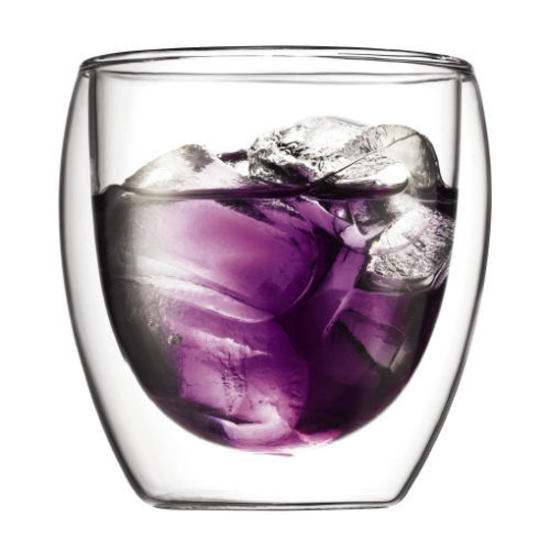
8oz double-wall glass
The larger size suits a cortado, flat white, or piccolo.
View product →
Ready to find the right machine for your favourite drink?
Browse home coffee machines, or get in touch if you're not sure which setup suits how you actually drink coffee.
Shop Home Machines
Contact Us
6. Frequently asked questions
What's the difference between a flat white and a latte?
A flat white uses less milk and a thinner layer of microfoam than a latte, giving a stronger coffee-to-milk ratio and a smaller overall drink. A latte has more milk volume and a lighter foam layer, making it milder and creamier.
What's the difference between a long black and an Americano?
Both are espresso with hot water, but the order is reversed — a long black is espresso poured over hot water (preserving the crema), while an Americano is hot water added to espresso. The difference is subtle but changes the crema and mouthfeel slightly.
Is a macchiato the same as a caramel macchiato?
No — a traditional macchiato is espresso with just a dash of milk foam, mostly coffee. A caramel macchiato, popularised by chain cafés, is a much sweeter, milk-heavy drink with vanilla and caramel syrup — a different drink entirely despite the shared name.
What is a piccolo coffee?
A piccolo is a ristretto shot topped with steamed milk in a small glass, roughly 90–120ml total — essentially a smaller, more concentrated version of a latte.
Can I make all these drinks at home?
Most of them, yes — a semi-automatic machine with a steam wand gives you full control over shot size and milk texture for any of the espresso and milk-based drinks. Fully automatic machines often have presets for the common ones like latte, cappuccino, and flat white.
What is an affogato?
An affogato is a scoop of vanilla ice cream or gelato with a hot espresso shot poured over it — more dessert than drink, and eaten with a spoon rather than sipped.
MD
About the author
Mik Di Pacci
Founder & CEO, Di Pacci Coffee Company
Mik Di Pacci founded Di Pacci Coffee Company in 2010, starting with a single coffee cart in Marrickville, Sydney, and growing it into a specialist coffee-machine and grinder business that now serves customers across Australia, New Zealand, and beyond. He has spent more than two decades in coffee — roasting, servicing equipment, and helping home baristas and cafés choose the right gear. Browse our home coffee machines or call the Di Pacci NZ team on 09 9779924.